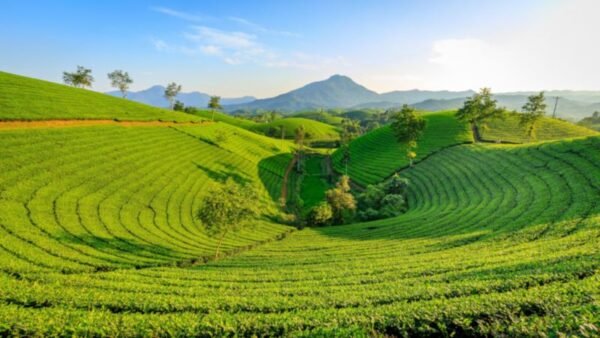





Every cup of tea has a story. It begins thousands of kilometers away, on sunlit mountain slopes where tea plantations flourish among mist, rain and highland air.
Tea may seem like a simple drink at first. In reality, its flavor is the outcome of an intricate journey combining the work of farmers, the knowledge of tea masters and modern production technology.
Growing tea
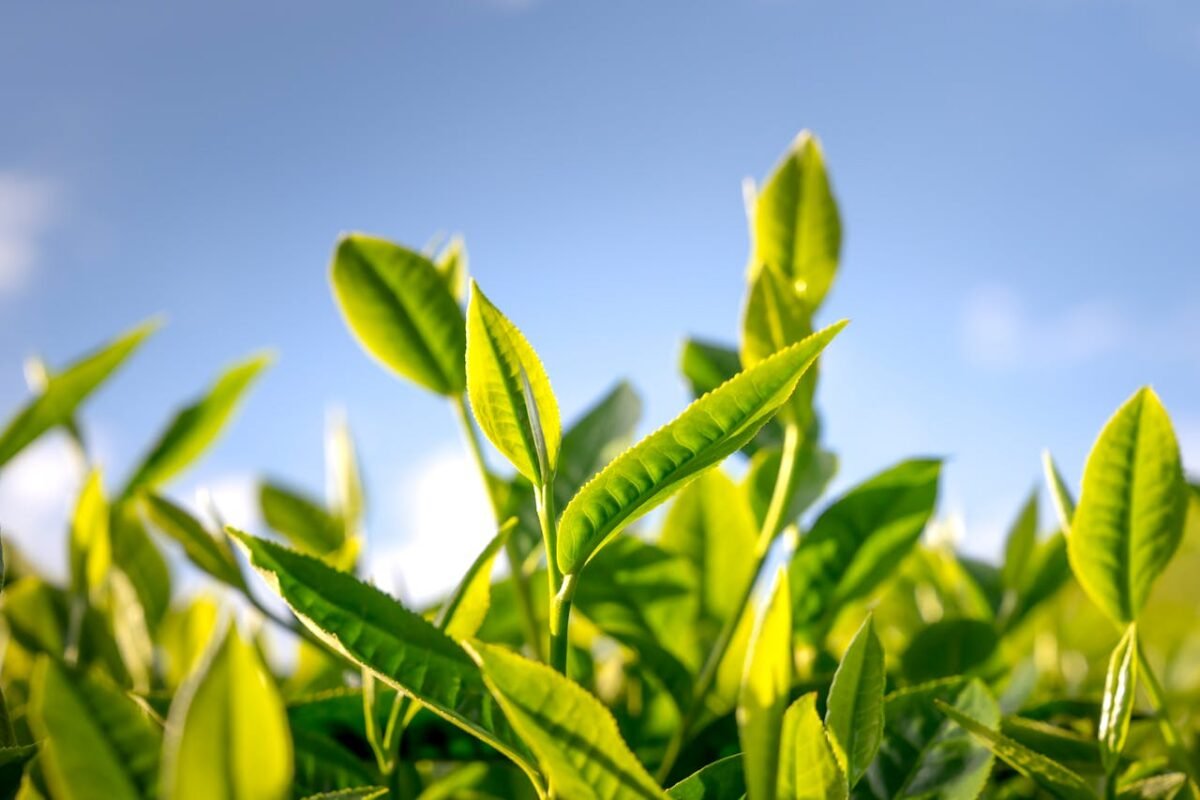
Every classic tea type—black, green, white and oolong—is made from the leaves of a single plant: Camellia sinensis.
Dozens of factors shape the drink to come, including climate, rainfall, soil fertility, elevation and the particular conditions of each season. That is why teas grown in different parts of the world can vary so widely in flavor and aroma.
High-altitude plantations are especially valued because their cool climate and slow leaf growth create a more refined flavor profile.
Plucking the tea leaves
The best tea begins with the right harvest. Leaves on many estates are still picked by hand. Quality tea usually calls for the top bud and two young leaves, which contain the greatest concentration of aromatic compounds and give the drink its distinctive taste.
Very little time passes between harvesting and processing, because fresh tea leaves need prompt, careful handling.
Processing the leaves
Depending on the production method, tea leaves are withered, rolled, oxidized and dried. These stages determine the style and character of the finished tea.
Black tea, for example, undergoes intensive oxidation. During this process, it develops its deep infusion color and characteristically rich aroma. Even a small change in processing time or conditions can influence the finished flavor.
Tasting and assessing quality
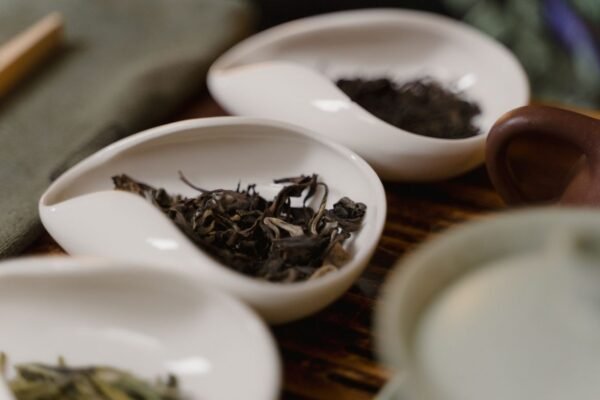
Once processing is complete, professional tea tasters evaluate the tea. They study the appearance of the dry leaves, aroma, infusion color, taste and finish, sometimes assessing dozens of samples in a day.
At Monomakh JSC, raw materials and finished products pass through multiple levels of quality control: daily evaluation by professional tea tasters and analysis in a certified chemical laboratory.
Creating tea blends
The craft of tea blending has much in common with perfumery. Specialists bring together teas from different regions and harvests to create a balanced flavor that remains consistent from one batch to the next.
Blending is what allows strength, aroma, depth and character to meet in harmony.
Packing and quality control
The finished tea is packed at Monomakh JSC’s modern production and warehouse complex—Ukraine’s first certified tea production facility—in accordance with international food quality and safety standards.
At this point, preserving the freshness of the leaves and their natural aroma and taste is essential. Close attention therefore goes to packaging conditions and control of every production process.
Completing the tea ritual
The last stage of the journey takes place in your home. Hot water gradually releases the aroma of the tea leaves, allowing the drink to reveal its unique character.
Months of work by farmers, technologists, tasters and production teams become a simple yet special ritual: drinking tea that brings warmth, calm and pleasure. It is for this moment that a new tea story begins each year.