




Among tea drinkers, the word “terroir” is not as familiar as it is to wine lovers. In wine, terroir explains why the same grape variety can taste entirely different depending on where it was grown. Tea follows the same principle.
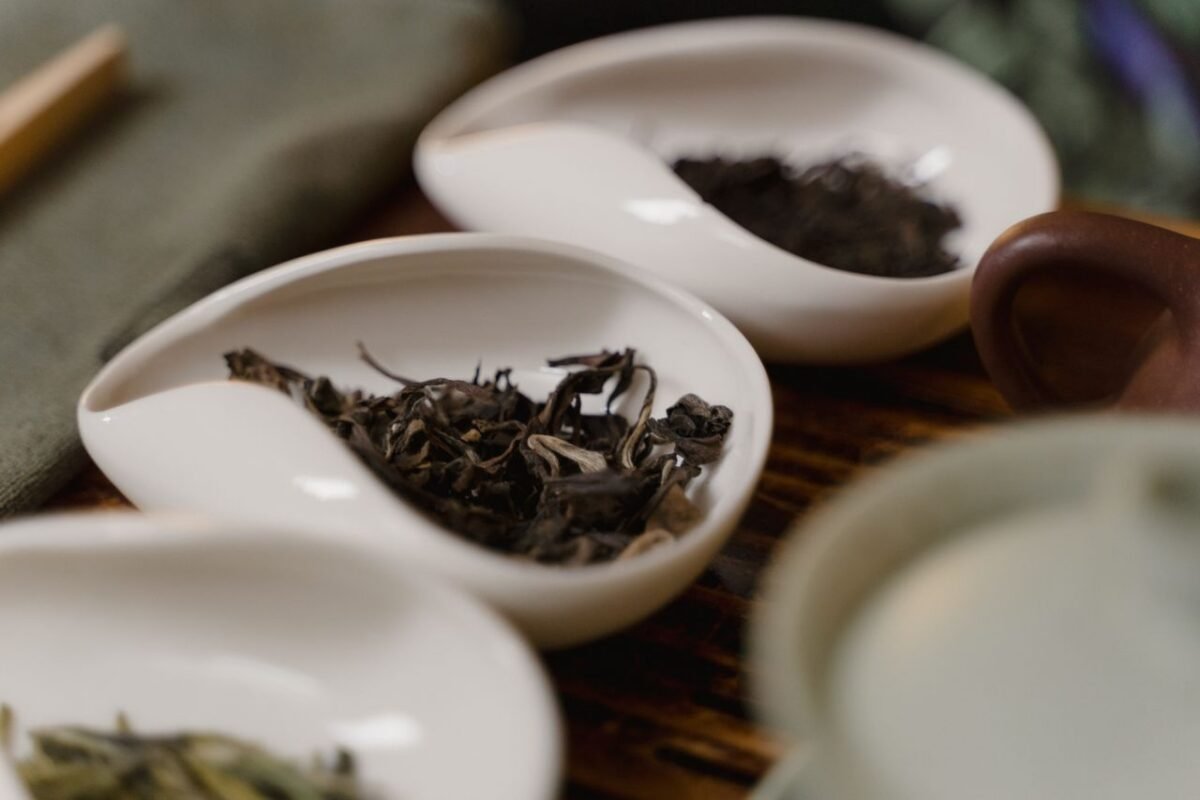
Two teas can be processed in the same way, harvested in the same season and made from the same plant—Camellia sinensis. Yet when their bushes grow in different regions, the drinks they produce will taste different.
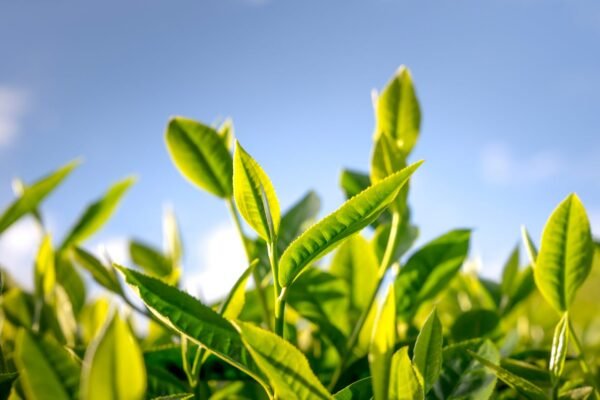
The reason is tea terroir: the complete set of natural conditions surrounding the growing tea bush. It includes:
- climate;
- elevation above sea level;
- soil type;
- amount of sunlight;
- rainfall;
- humidity;
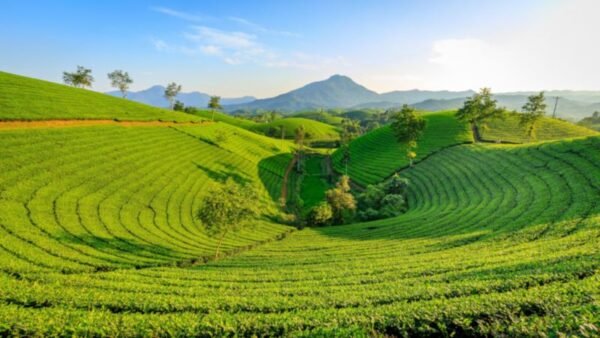
- the character of the local landscape.
Terroir starts defining a tea long before its leaves are picked. Experienced tea tasters can therefore identify regional characteristics by taste, much as a sommelier can recognize a wine’s origin.
How climate affects the taste of tea
Tea bushes are highly sensitive to air temperature. In cooler climates, their leaves grow more slowly and accumulate more aromatic compounds. The resulting teas often have greater complexity, freshness and finesse.
In warmer regions, faster growth tends to create richer, fuller and stronger flavor profiles. This is why Sri Lanka’s high-grown teas are typically light and elegant, while its low-grown teas offer depth and intensity.
The role of soil
Soil is the tea bush’s main source of nourishment. Its composition determines which minerals are available to the plant as it grows.
Fertile soil rich in organic matter encourages healthy leaves and harmonious flavor. Volcanic, clay and stony soils can each influence the character of a tea in different ways. The effect may be subtle to a casual drinker, but professional tasters understand its importance.
Rainfall and humidity
The tea bush needs plenty of moisture. Regular rain and high humidity create favorable conditions for young leaves to develop.
Both excessive and insufficient rainfall, however, can alter the quality of the harvest and the sensory qualities of the tea.
Even tea from the same plantation may taste slightly different from one harvest season to another. Experienced tea tasters see this as part of its natural character.
Why two Ceylon teas can taste completely different
Sri Lanka is one of the clearest demonstrations of terroir. Tea from the cool highlands of Nuwara Eliya can be fresh, light and floral. Tea from the southern lowlands, meanwhile, often produces a dark infusion with pronounced strength and hints of honey and fruit.
Both are authentic Ceylon teas, but different natural environments give each one its own character.
Terroir: nature’s hand in every cup
Quality tea is shaped by more than the producer’s skill or the processing method. Every cup also contains the influence of the mountains, sun, rain, soil and climate where the tea bush grew.
That is terroir.
It makes every tea unique and explains why discovering the world of tea can be every bit as fascinating as exploring the world’s wine regions.